
- New
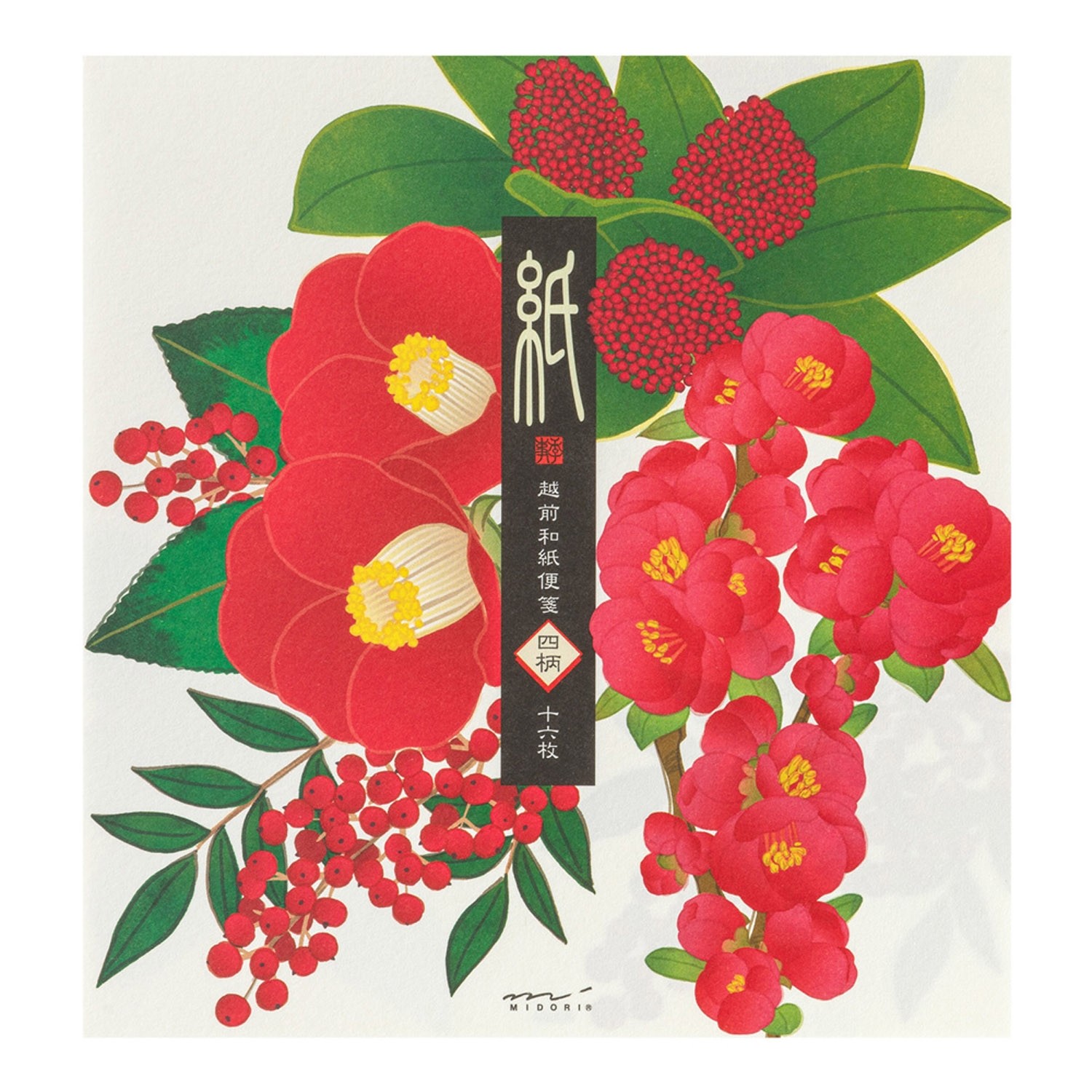
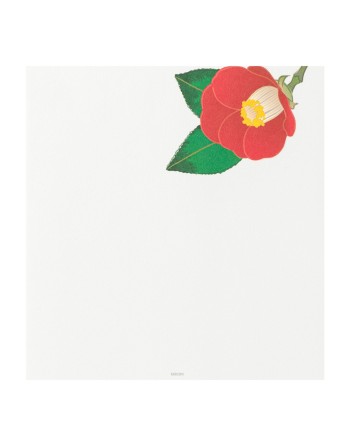
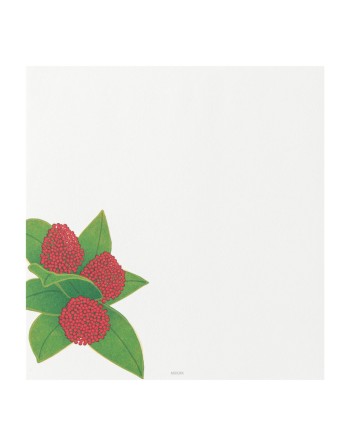
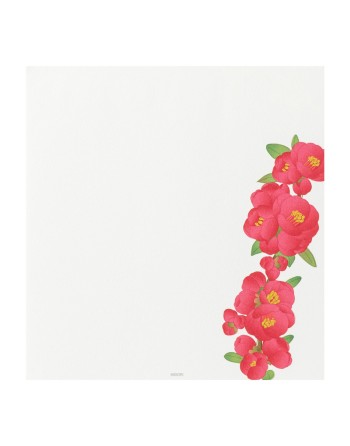
Japanese letter paper from MIDORI’s Kami Series, made with Echizen Torinoko washi. The pad contains 16 unruled sheets in four designs featuring red flowers and berries, plus a lined guide for neat handwriting. Use it for personal letters, greetings and thank-you notes.
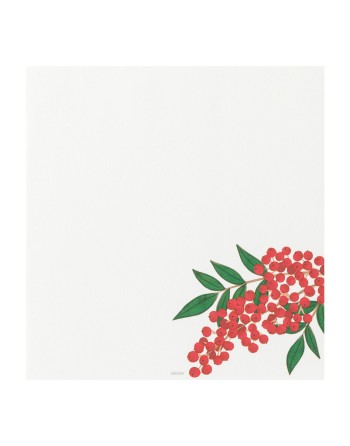
The Midori Letter Pad Echizen Washi Red Winter pairs red flowers and berries with soft Japanese letter paper. Part of MIDORI’s Kami Series, it works well for seasonal greetings, thank-you notes and personal letters. Each sheet carries one illustration, and the composition leaves space for a short message or a longer letter.
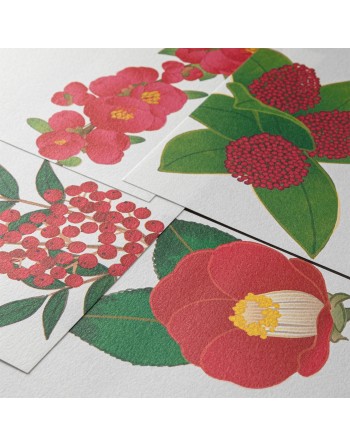
The four designs feature nandina, camellia, Japanese skimmia and flowering quince. With four sheets of each, you can vary the design from one letter to the next or match the sheets in a longer letter. For a different set of seasonal illustrations on Echizen washi, see the Midori Letter Pad Winter Fruit.
The pad is made with white Echizen Torinoko washi, a soft paper from a Japanese papermaking tradition that goes back more than a thousand years. The sheets are unruled. Slip the lined guide beneath the sheet to keep your handwriting aligned, then lift the page away when you finish.
(The photographs are for guidance.)
Can I use my usual fountain pen?
It depends on the nib and ink. Try a few strokes in a corner of a sheet with the combination you intend to use.
Does the pad come with envelopes?
MIDORI’s matching envelopes are sold separately.
MIDORI began in Japan in 1950 as Midori Shokai Co., Ltd. Its first product was letter paper bearing a courier emblem. The Japanese name Midori means “green” and was chosen to evoke a plant spreading its leaves. The company went on to design products for other kinds of everyday writing, including Diamond Memo, a pocket notepad introduced in 1961 with sheets you could write on both sides.
In 2006, MIDORI launched the Kami Series, bringing together seasonal illustrations, washi letter paper and matching envelopes. The designers pay attention to where a flower would grow in nature and to how much blank space a page needs. That balance allows a brief handwritten note to feel complete while leaving room for a full letter.
“A few handwritten lines can bring warmth to a winter day.”


Midori
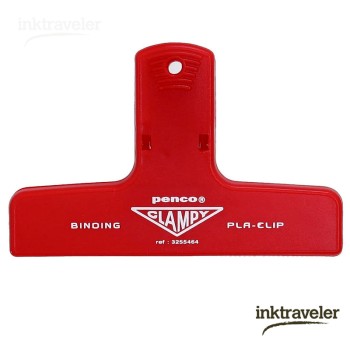
Multi-purpose plastic clip by Penco in red color, made of ABS with an internal metal handle. Designed for sealing bags, organizing documents, and holding notebooks or books in everyday use.

The Pilot Falcon Red Fountain Pen combines a dark red lacquered metal body with a soft, rhodium-finished 14K gold nib that responds to gentle pressure with natural line variation. Silver-coloured trim completes its refined and expressive appearance. It accepts Pilot cartridges or bottled ink using the included CON-70N converter.
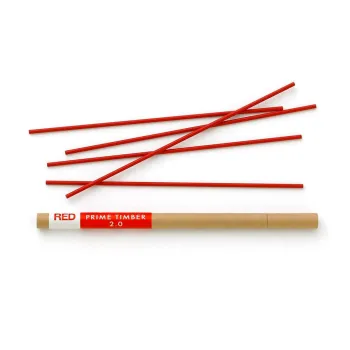
0.5mm mechanical pencil

Sailor Inktraveler Naoshima Kon 50 ml Fountain Pen Ink was the first ink developed by Sailor in collaboration with a European company. Inspired by the evening sky above Japan's Seto Inland Sea, it offers an elegant deep blue colour with beautiful shading and a smooth writing experience ideal for everyday use.

Taccia Sunao-iro Ebi Purple Red is a 40 ml Japanese fountain pen ink inspired by the traditional Ebi-iro colour. Its elegant combination of red and purple tones belongs to the Sunao-iro collection, created to represent essential colours in their purest and most honest form.

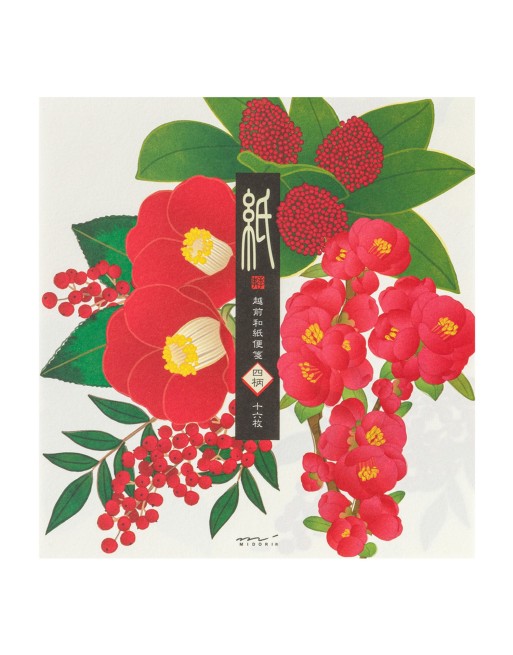
Japanese letter paper from MIDORI’s Kami Series, made with Echizen Torinoko washi. The pad contains 16 unruled sheets in four designs featuring red flowers and berries, plus a lined guide for neat handwriting. Use it for personal letters, greetings and thank-you notes.